
What Kind of Relationship Are You Looking For? Why Being on the Same Page Matters
There are many ways to structure a relationship, and there is no single “right” way to be a couple. Some people want a highly integrated partnership where they share most aspects of their lives. Others prioritize independence, maintaining separate social lives, hobbies, or identities.
The goal here is to understand you and your partner’s respective needs, communicate about them openly, and determine whether you can build a relationship that works for both of you.

A Deeper Look into the Avoidant Attachment Style: What Millennials and Gen Z Need to Know
Childhood experiences shape how we perceive and process emotional connection—and for many millennials and Gen Zers, this has led to a rise in avoidant attachment styles.
For younger generations, who grew up in an era of digital communication, emotional suppression, and high-pressure individualism, understanding avoidant attachment is a tool for better relationships, mental health, and self-awareness.
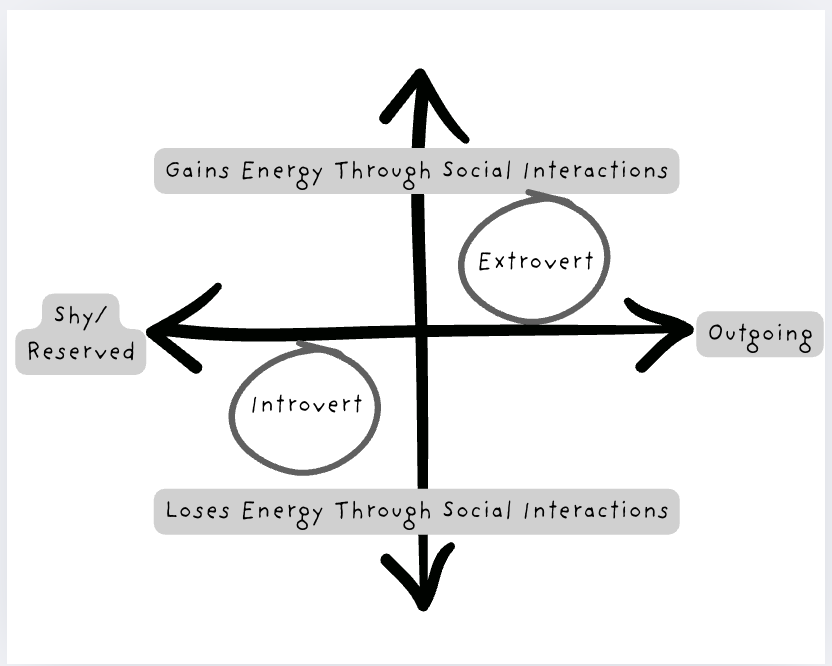
Introversion Versus Extroversion: Why Personality Type Matters in Relationships
Introversion and extroversion are personality dimensions that capture, among other things, how we tend to engage with the social world. Alongside many other personality traits, these tendencies can influence compatibility and the day-to-day experience of a relationship.
Personality matters because it influences our preferences, our habits, and the way we experience the world. Those differences can absolutely create friction in a relationship.

When NOT to Pursue Couples Counselling
Couples therapy requires honesty, effort, and a shared commitment to change. When one or both partners aren’t fully invested, the process can feel futile, or worse, highlight irreconcilable differences. Sometimes, the kindest thing you can do, for yourself and your partner, is to recognize when counselling isn’t the solution.

Dealing With Emotions: Understanding Emotional Regulation, Processing, and Intelligence
Emotional regulation, emotional attunement, emotional intelligence, emotional processing… emotions have gained a lot of traction in recent years. We talk about them more than ever and have created plenty of buzzwords around them. But what do these terms actually mean?

Modern Couples Therapy in Toronto: From Institution to Partnership
Marriage has shifted from an institutional arrangement focused on economic survival, social standing, and rigid gender roles to a self-expressive partnership built on personal choice, emotional fulfillment, and mutual equality. This is why a shift in marriage counselling exists, focused on a modern approach for modern millennial and Gen Z couples.

The Anxious-Avoidant Trap: Why It Feels So Intense (and So Exhausting)
Although the underlying needs of humans are the same—we all need connection, safety, and belonging—the methods in which we go about meeting those needs can be harmful. Both people may be trying to get to the same place, but their strategies for getting there are completely different. One partner needs closeness in order to feel safe while the other partner needs space in order to feel safe. And the more each person tries to get their needs met, the more they can inadvertently trigger the other person.

Couples Therapy Before Marriage in Toronto
Romantic relationships are one of the most complex dynamics we’ll ever experience. Choosing a life partner should be an intentional process, analyzing necessary elements of it to ensure compatibility, and ultimately, a lasting relationship.

Premarital Counselling in The Annex and Leaside: A Path to a Secure and Fulfilling Marriage
Traditional pre-marriage counselling is often denomination-based, meaning it’s closely tied to religious beliefs and values. While this can be a meaningful theme to incorporate into your union, developing a secure relationship doesn’t require religious roots. The desire for togetherness, connection, and love can thrive outside the confines of religion.

The Secret to Emotional Regulation
Emotions are a fundamental part of being human, but for many of us, they can feel like a tangled mess. Emotional regulation is the practice of understanding, managing, and responding to your emotions in a way that serves you. Whether you’re navigating the fast-paced streets of Toronto, juggling work and personal life, or trying to communicate effectively in relationships, emotional regulation is the key to clarity and resilience.

Conscious Uncoupling And Why It Matters
The emotional toll of a breakup can feel overwhelming, especially when old wounds, self-doubt, or painful beliefs resurface. Anger, resentment, or even depression may take hold, and the circumstances of the split can overshadow the positive moments you once shared. Conscious uncoupling turns breakups into an opportunity for growth and healing.

Toronto-Based Inner Child Healing: A Path to Authenticity
Inner child work helps you unblend from overwhelming emotions or beliefs, making them feel more manageable. It fosters self-awareness and inner harmony, allowing you to respond to challenges with clarity rather than reactivity. It allows for self-compassion and, eventually, self-love, by teaching you how to embrace your whole self, which is essential for authentic living.

The Top Concerns Millennials and Gen Z Bring to Therapy
Gen Z and millennials share unique patterns shaped by shared cultural, social, and economic experiences. Think people-pleasing, insecure attachment styles, perfectionism, and unhealthy conflict patterns, all of which can ripple into adulthood. After working with hundreds of clients in this demographic, I’ve identified some of the most common struggles they face.

Why Premarital Counselling Is Helpful: Building a Stronger Foundation for Your Future Together
Marriage is a lifelong journey, and like any journey, it benefits from preparation. Premarital counselling isn’t just a checkbox for religious ceremonies; it’s a proactive step for any couple who wants to build a resilient, fulfilling relationship. Whether you’re spiritual, secular, or somewhere in between, premarital counselling offers tools to navigate challenges, align your values, and foster deep emotional connection.

Why You’re Feeling Stuck in Heartbreak
Relationships are complex, dynamic, and constantly changing. Human behaviour is layered. Emotions are inconsistent. Sometimes people leave without communicating clearly. Sometimes they don’t fully understand themselves, let alone how to explain their actions to someone else.
When these emotions and thoughts become too overwhelming, it can feel like you’re stuck in heartbreak. But moving on certainly is possible.

How Therapy Can Change the Way You Experience Relationships
Understanding how you show up in a relationship, and why you show up that way, is an invaluable tool. Because this work can be difficult to navigate alone, outside support systems such as couples therapy can help move a relationship from a place of disconnection toward deeper understanding and connection.

Signs Your Relationship Needs Support (That Aren’t Obvious)
Not every struggling relationship is filled with explosive arguments, betrayal, or obvious conflict. Sometimes, signs can show up through subtle patterns, emotional habits, or dynamics that slowly become normalized over time. Relationships often begin to drift into unhealthy territory long before either partner realizes support may be needed.

Relationships: What to Say When You Feel Hurt (Instead of Shutting Down or Blaming)
When disagreements arise, it’s easy to fall into patterns that feel like self-protection in the moment but ultimately push you and your partner further apart. Shutting down, blaming your partner, developing an attitude, or fighting to be right, etc. prioritize individual protection over the shared goal of connection and resolution.

Premarital Counselling: What to Expect
Premarital counselling is one of the most practical ways couples can invest in their future marriage. Rather than waiting for challenges to arise, it offers a structured space to explore your relationship, strengthen communication, and build skills that support long-term connection.

From Reacting to Understanding: What Growth in Relationships Looks Like
In many relationships, there comes a point where communication starts to break down. You might find yourself feeling misunderstood, dismissed, or spoken over. Over time, communication can begin to feel exhausting rather than productive - something you start to dread rather than lean into.
In my work providing couples counselling in Toronto, this is one of the most common relationship challenges I see: partners who want to connect, but find themselves stuck in cycles of reactivity instead.
Also featured on…


And…